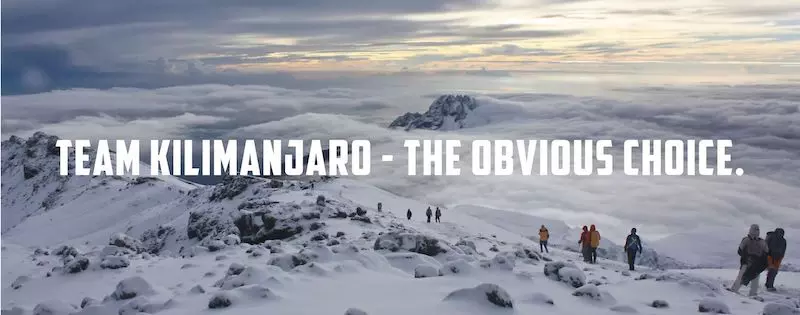
Is the Western Breach Route on Kilimanjaro Open and Safe in 2025?
🟠 Status Update (February 2026):
The Western Breach route is currently closed due to elevated risk of rockfall. Tanzanian park authorities have not provided a timeline for reopening. However, Team Kilimanjaro have recently obtained special permission to ascend this route.
Summary
- Western Breach is the most dangerous summit approach on Kilimanjaro.
- Major fatal rockfall incident occurred in January 2006, killing three climbers.
- The route was reopened later, but rockfall hazards persist due to glacier recession.
- Most climbers are advised to consider Barafu Ridge or Stella Point as safer alternatives.
- Team Kilimanjaro does not recommend the Western Breach but supports informed climbers who choose it.
- Detailed evacuation protocols, risk zones, and ascent timings are provided below.
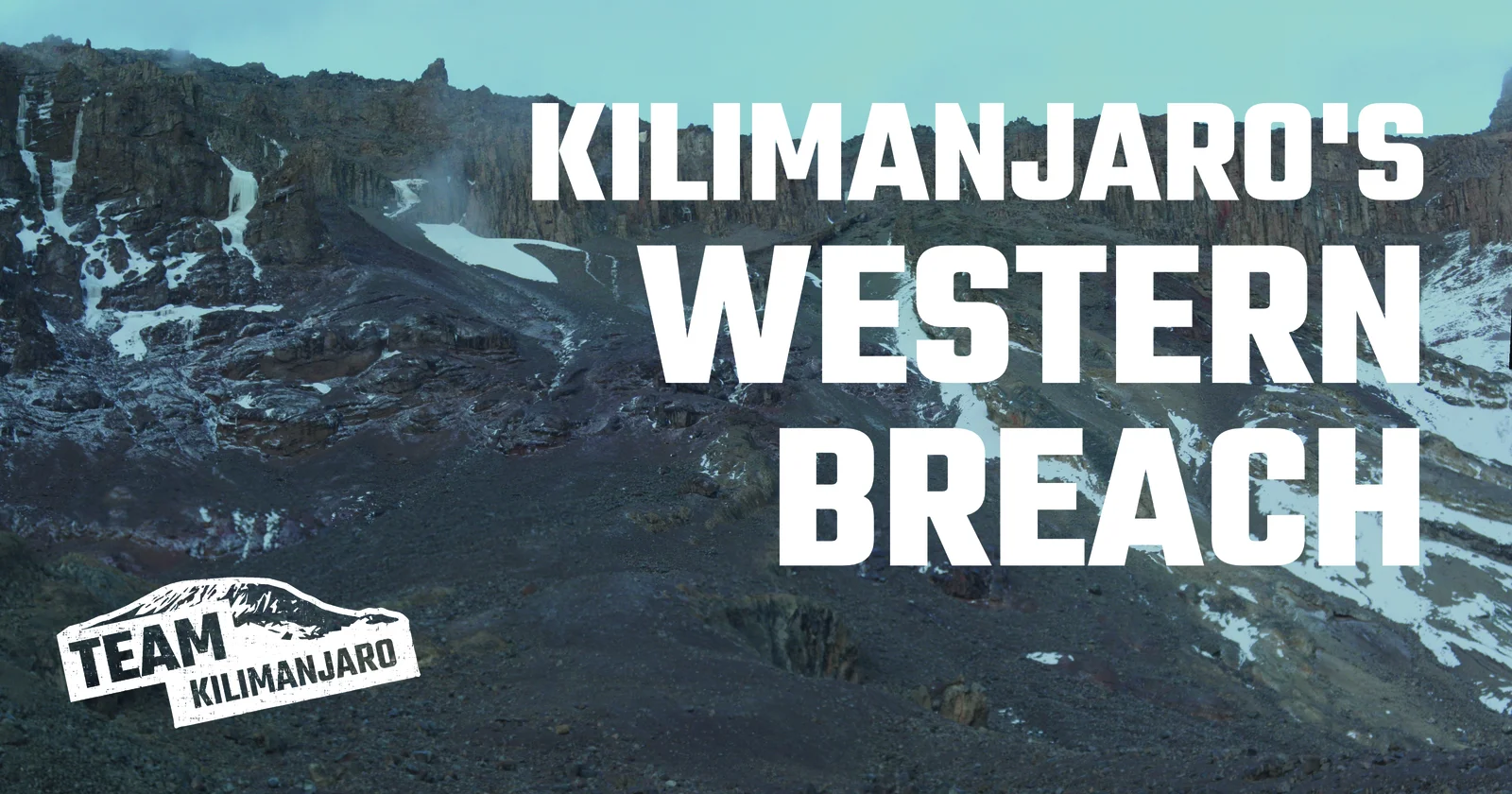
What Is the Western Breach Route?
The Western Breach is a steep, high-risk approach to the summit of Mount Kilimanjaro. While it offers dramatic views over the Shira Plateau and a direct route into the crater, it also presents significantly higher objective danger than the Barafu Ridge or School Hut assaults.
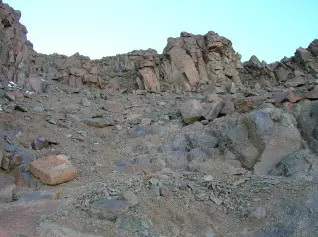
This route ascends the mountain’s volcanic breach wall, passing through zones prone to rockfall, steep drop-offs, and rapidly changing conditions.
Why Is the Western Breach Closed?
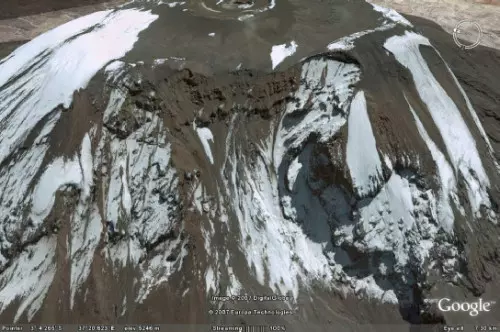
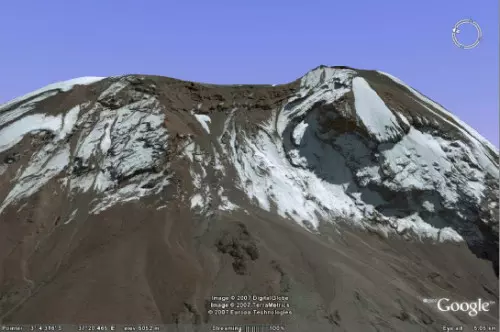
In January 2006, rock dislodged from beneath a glacier, falling some 150 metres and killing three American climbers. Subsequent investigation by Team Kilimanjaro founder John Rees-Evans revealed flaws in the initial park report. Under his guidance, a second accident investigation was conducted in collaboration with Tanzania National Parks (TANAPA), culminating in the Western Breach Accident Report 👉.
Since then, glacial retreat has increased rockfall risk, and in May 2025 the route was again closed.
Should You Climb the Western Breach?
Team Kilimanjaro strongly encourages climbers to reconsider using the Western Breach. That said, we recognise that:
- Some climbers are drawn to its unique challenge and views
- It remains a technically sanctioned route when open
- With proper precautions and planning, it can be ascended safely under very specific conditions
Understanding the Risks
Key hazards include:
- Unpredictable rockfall (especially between 5,000m and 5,300m)
- Steep, unstable ground
- Limited signage guiding climbers away from dangerous sections
- High-altitude exposure without viable descent options mid-climb
Three “kill zones” exist where climbers are at risk even during quick crossings.
The Principle of Informed Consent
Climbers are reminded that:
- No climb organiser, including Team Kilimanjaro, nor park authorities, can guarantee your safety
- You must accept informed risk when choosing this route
- Insurance and personal risk understanding are vital
Safer Alternatives Recommended
We suggest opting for safer summit routes like:
- Barafu Ridge via the Lemosho or Machame routes
- School Hut via the Rongai or Northern Circuit
You can still visit the crater and spend a night inside without using the Western Breach.
What Changed After 2006?
Originally, an alternate route was opened on the right side of the Stone Train to avoid rockfall. However, this exposed climbers to dangerous falls.
Thanks to persistent advocacy by Team Kilimanjaro, TANAPA reversed this decision, endorsing the left-side ascent as safer.
Climbing Strategy and Timing
If climbers do choose to ascend via the Breach:
- Reach Arrow Glacier Camp (4,871m) early enough to begin summit assault by 05:30 AM the next day
- Avoid sleeping at Crater Camp (5,729m) without having first gained the summit that morning. Doing so violates safe acclimatisation principles
Acclimatisation & Overnight Strategy
Rule: Climb high, sleep low
Spending the night at Crater Camp before summiting increases risk of Acute Mountain Sickness (AMS) and High Altitude Cerebral Oedema (HACE). It is safer to:
- Summit in the early morning
- Descend before sleeping at high altitude
Emergency Evacuation Procedure
The Western Breach is not an official descent route. In case of illness or injury:
🟥 Before reaching the crater rim:
- Descend via Arrow Camp → Lava Tower → Shira Huts (3,760m)
- Evacuation by KINAPA vehicle from Shira
🟧 After passing the rock steps (~5,600m):
- Continue upwards to the crater rim (5,725m)
- Traverse 1.46 km across the crater to Stella Point
- Begin a safer descent there
⚠️ Exception: This is the only case on Kilimanjaro where upward evacuation may be safer than descending
Decision Thresholds for Evacuation
| Elevation | Action |
|---|---|
| Below 5,500m | Descend |
| Above 5,600m | Ascend to Stella Point |
| 5,500m–5,600m | Guide’s discretion |
Current Risk Profile (2025)
Due to:
- Continued glacial recession
- Accelerated climate-driven melt
- Absence of route signage
- Persistent rockfall on steep traverses
...we maintain that the Western Breach poses unacceptable risks for the average climber.
Recommendations for Crater Access
To enjoy the crater without using the Breach:
- Use a safer assault route like Barafu
- Combine with TK’s Excel Series to include crater exploration
You can still access:
- Reusch Ash Pit
- Northern and Eastern Icefields
Final Advice for Western Breach Enthusiasts
If you are still determined to climb the Breach:
- Study the accident investigation report
- Understand the full risk profile
- Ensure you’re accompanied by a guide who has extensive experience on this face
Once you’ve demonstrated full comprehension of the risks, Team Kilimanjaro will support your climb with:
- Tactical planning
- Route advice
- Logistical support and safety oversight
FAQs
Is the Western Breach route currently open?
🚫 No. As of May 2025, it is closed due to rockfall.
Is the Western Breach more dangerous than other routes?
✅ Yes. It is the most risk-prone route on the mountain.
Can I still sleep in the crater without using the Breach?
✅ Yes. Safer routes allow for crater camping after summiting.
Has the park addressed signage and risk zones?
❌ Not adequately. Many dangers remain poorly marked.
Will Team Kilimanjaro guide me on the Breach?
🔶 Only with full disclosure, signed consent, and preparation.
Further videos recorded on the Western Breach in 2006 that describe some of the issues on this page, are available to view here 👉